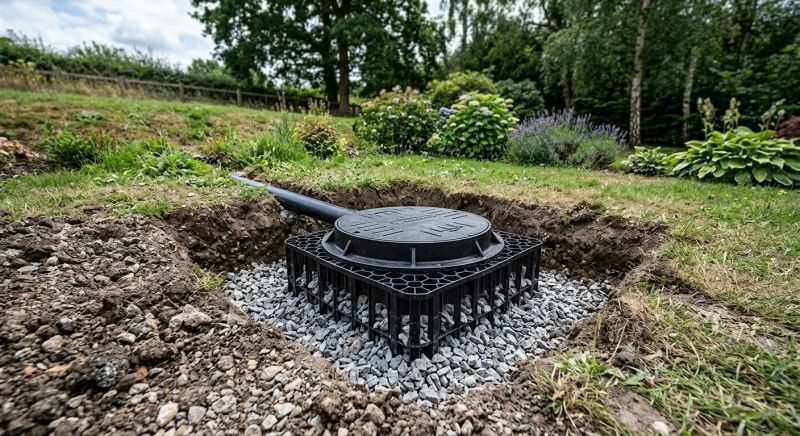
Dry Well Installation in Birmingham, AL
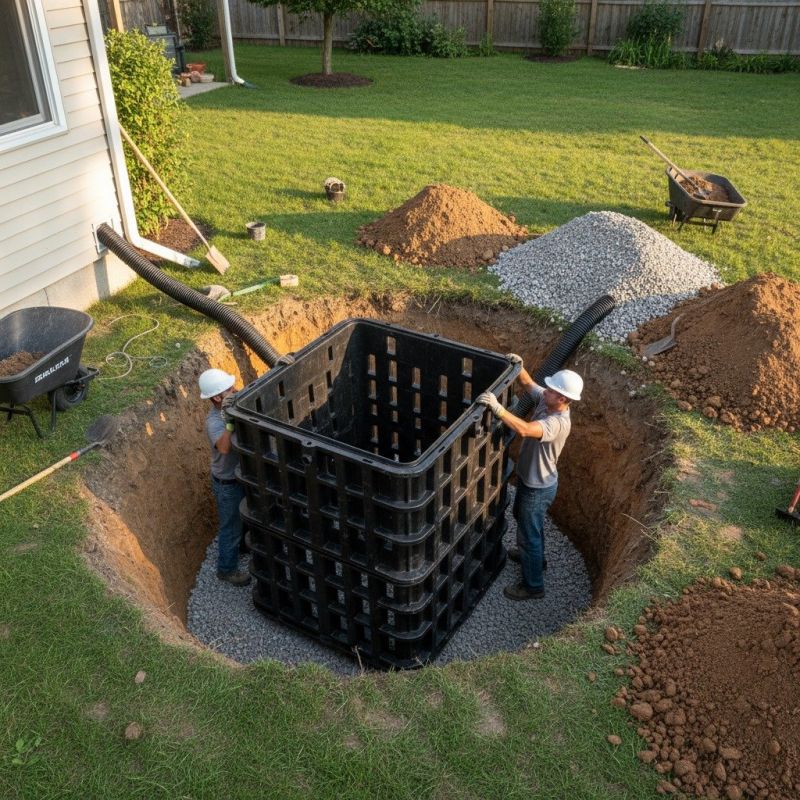
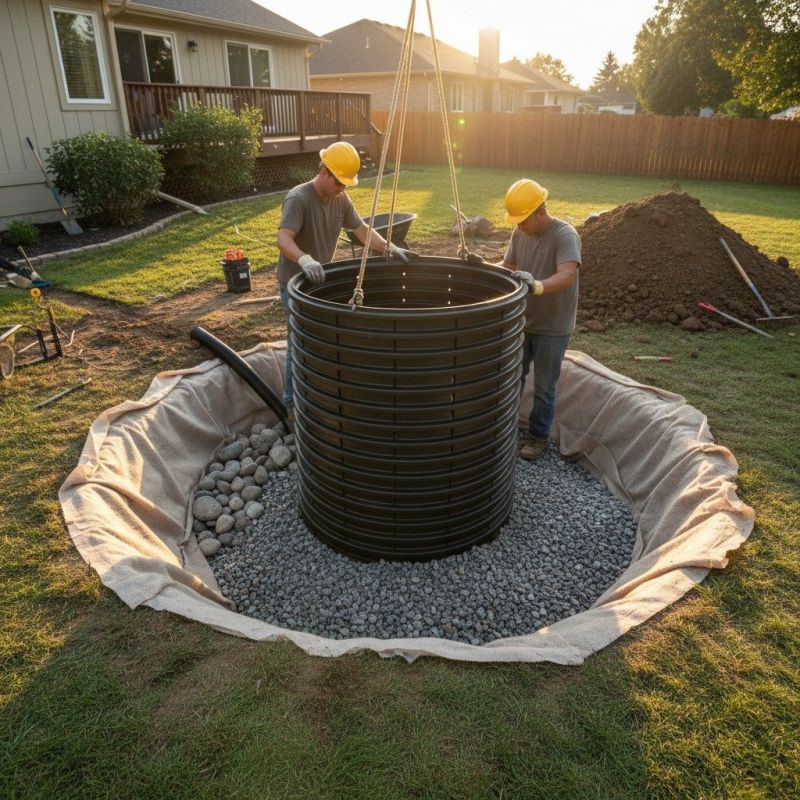
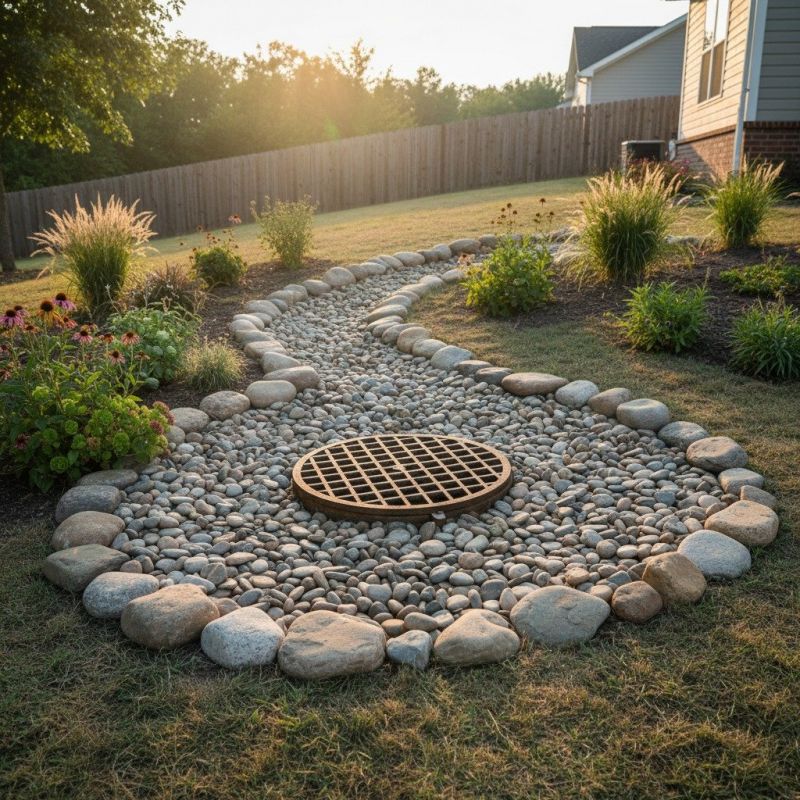
Dry well installation services provide an effective solution for managing excess or stormwater runoff on residential properties. A dry well is an underground structure designed to collect and disperse water into the surrounding soil, helping to prevent flooding, erosion, and water pooling near foundations. These systems are commonly used in projects such as yard drainage, managing roof or driveway runoff, or improving overall property drainage. Homeowners considering a dry well should understand the importance of proper site assessment, soil permeability, and the intended water flow volume to ensure the system functions effectively and safely.
Before requesting dry well installation, property owners often want to know about the suitability of their land, including soil conditions and existing drainage patterns. It’s also helpful to consider the location of the system in relation to structures, septic systems, and utility lines to avoid conflicts. Understanding local regulations or permitting requirements related to underground water management can be important as well. Clear communication about project scope, water flow expectations, and site limitations can help ensure the installation meets the property’s drainage needs effectively.
Many property owners in Birmingham, AL look into Dry Well Installation for repairs, replacements, upgrades, and appearance-related improvements.
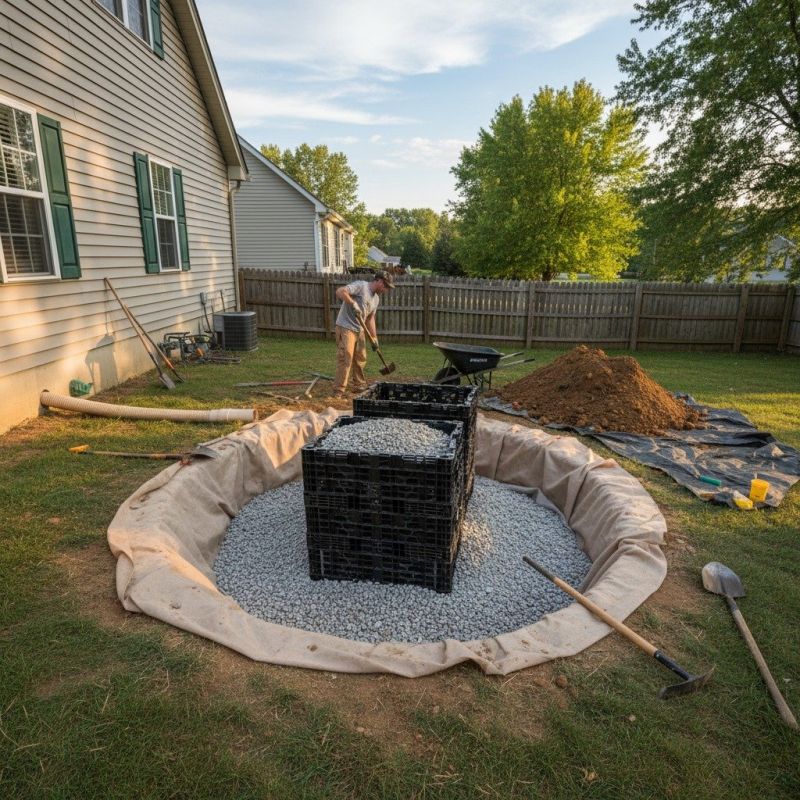
Dry Well Benefits
Effective drainage solutions help protect property foundations and prevent water pooling.
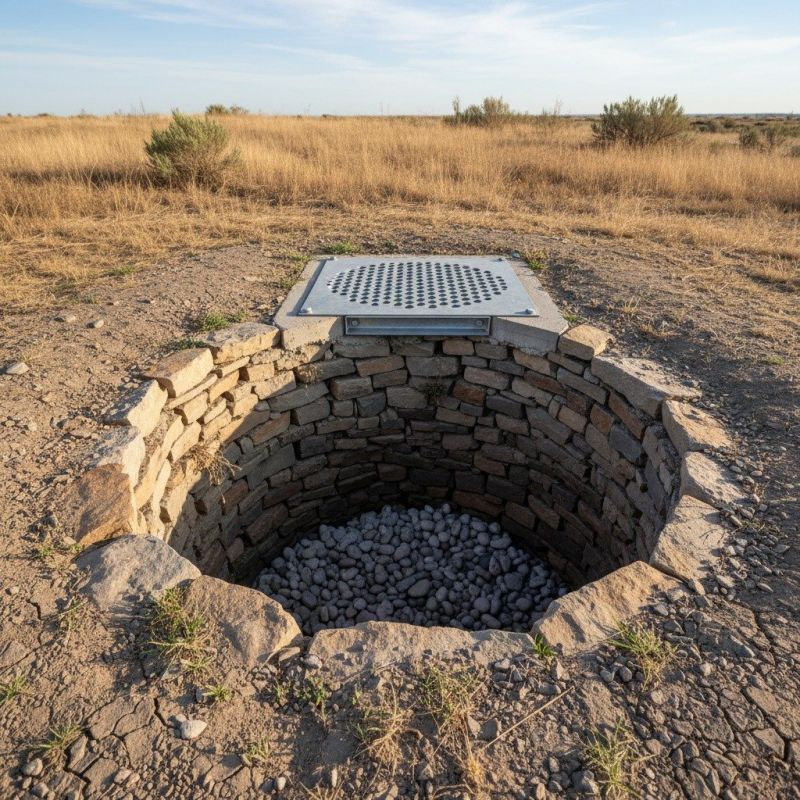
Installation Considerations
Proper site assessment ensures the dry well is positioned to handle excess water runoff.
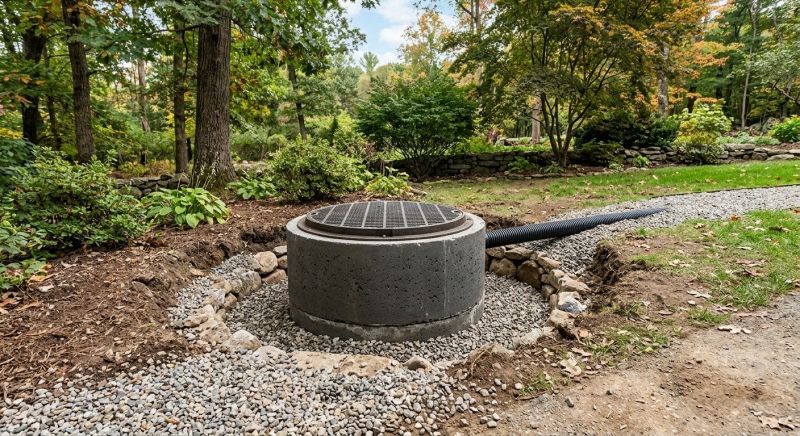
Common Applications
Dry wells are often used for managing gutter overflow, yard drainage, and stormwater runoff in birmingham and nearby areas.
Dry Well Installation in Birmingham, AL

Dry well installation services provide an effective solution for managing excess or stormwater runoff on residential properties. A dry well is an underground structure designed to collect and disperse water into the surrounding soil, helping to prevent flooding, erosion, and water pooling near foundations. These systems are commonly used in projects such as yard drainage, managing roof or driveway runoff, or improving overall property drainage. Homeowners considering a dry well should understand the importance of proper site assessment, soil permeability, and the intended water flow volume to ensure the system functions effectively and safely.
Before requesting dry well installation, property owners often want to know about the suitability of their land, including soil conditions and existing drainage patterns. It’s also helpful to consider the location of the system in relation to structures, septic systems, and utility lines to avoid conflicts. Understanding local regulations or permitting requirements related to underground water management can be important as well. Clear communication about project scope, water flow expectations, and site limitations can help ensure the installation meets the property’s drainage needs effectively.
Many property owners in Birmingham, AL look into Dry Well Installation for repairs, replacements, upgrades, and appearance-related improvements.
Common Dry Well Installation Jobs
Drainage system installation - helps manage excess water and prevent flooding around the property.
Rainwater harvesting systems - collect and direct stormwater for irrigation and other uses.
Foundation drainage solutions - reduce water buildup that can cause basement or foundation issues.
Yard drainage improvements - redirect surface water away from driveways, patios, and landscaping.
Stormwater management systems - control runoff to protect property and comply with local regulations.
Water infiltration solutions - improve soil drainage to prevent pooling and erosion.
Dry Well Installation Questions
What is a dry well? A dry well is an underground structure that disperses excess water away from a property, helping prevent flooding and pooling.
When is a dry well suitable? A dry well is ideal for managing runoff from roofs, driveways, or other areas prone to water accumulation.
How does a dry well work? It collects water and slowly releases it into the surrounding soil, reducing surface water and protecting the property foundation.
What should property owners consider before installation? Proper site assessment and ensuring adequate soil absorption are important for effective dry well performance.
Request Dry Well Installation in Birmingham, AL
Use the quote form on this page to share the basics of your project and request more information for the type of work you need.